I recorded my first podcast episodes full of excitement - and then spent the next three days editing a single one, hating every minute. The recording was the fun part. The editing nearly made me quit. This is how I finally broke that cycle.
Who I am
I'm Sam. I make a small podcast and a few videos on the side, all from a spare room. I had plenty to say and, it turned out, absolutely no patience for the part where you turn a messy recording into something people actually want to listen to.
The problem: editing was eating my life
A good conversation is full of 'ums', false starts, long pauses, and that one story I told twice. Cleaning all of that out meant scrubbing back and forth across a timeline for hours, hunting for the exact frame to cut. A one-hour recording could cost me a full working day to edit - and I dreaded it so much that episodes started piling up, unfinished.
I didn't have a talent problem or an idea problem. I had an editing problem, and it was quietly killing the whole project.
What I tried (and why it failed)
- Powering through in a traditional video editor - powerful, but slow and joyless for spoken content, and the learning curve was brutal.
- Hiring an editor - good results, but the cost per episode and the back-and-forth made it impossible to keep up a schedule.
- Just publishing the raw recording - listeners noticed every stumble, and my retention showed it.
The turning point: Descript
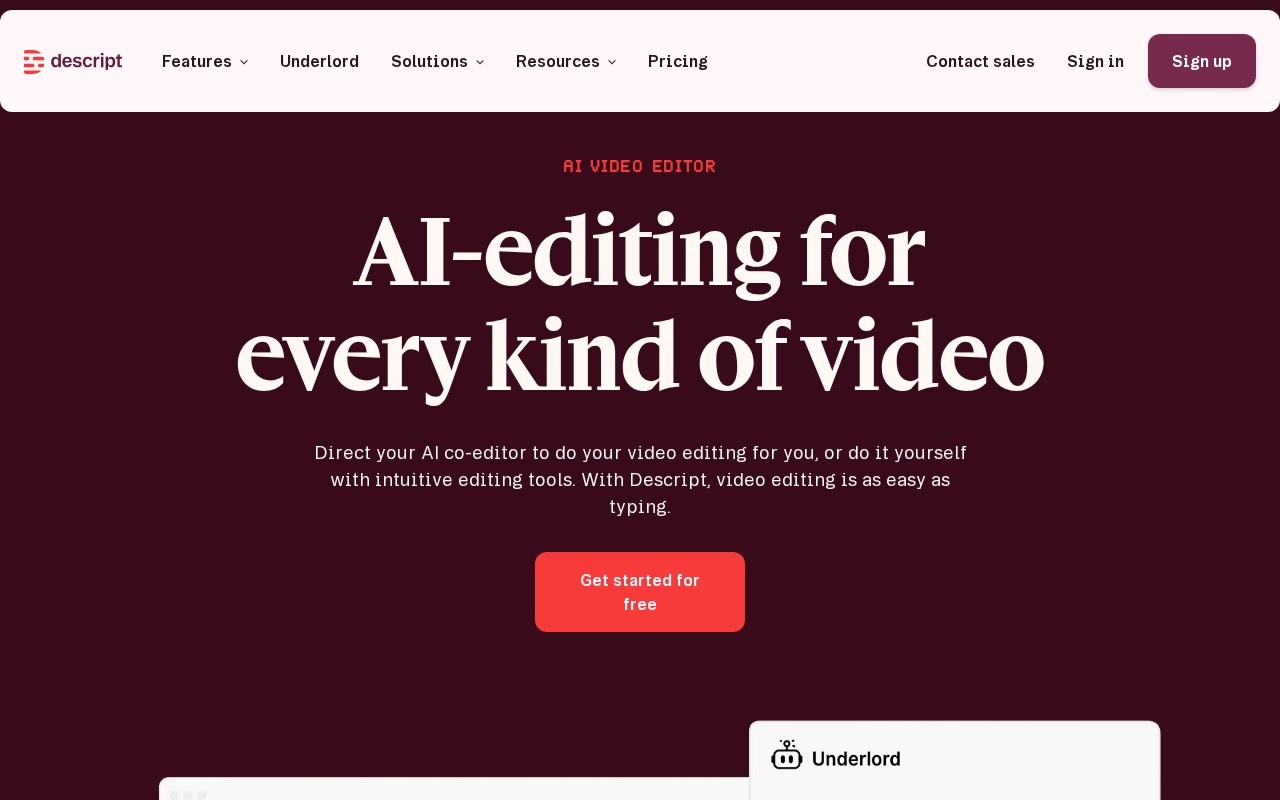
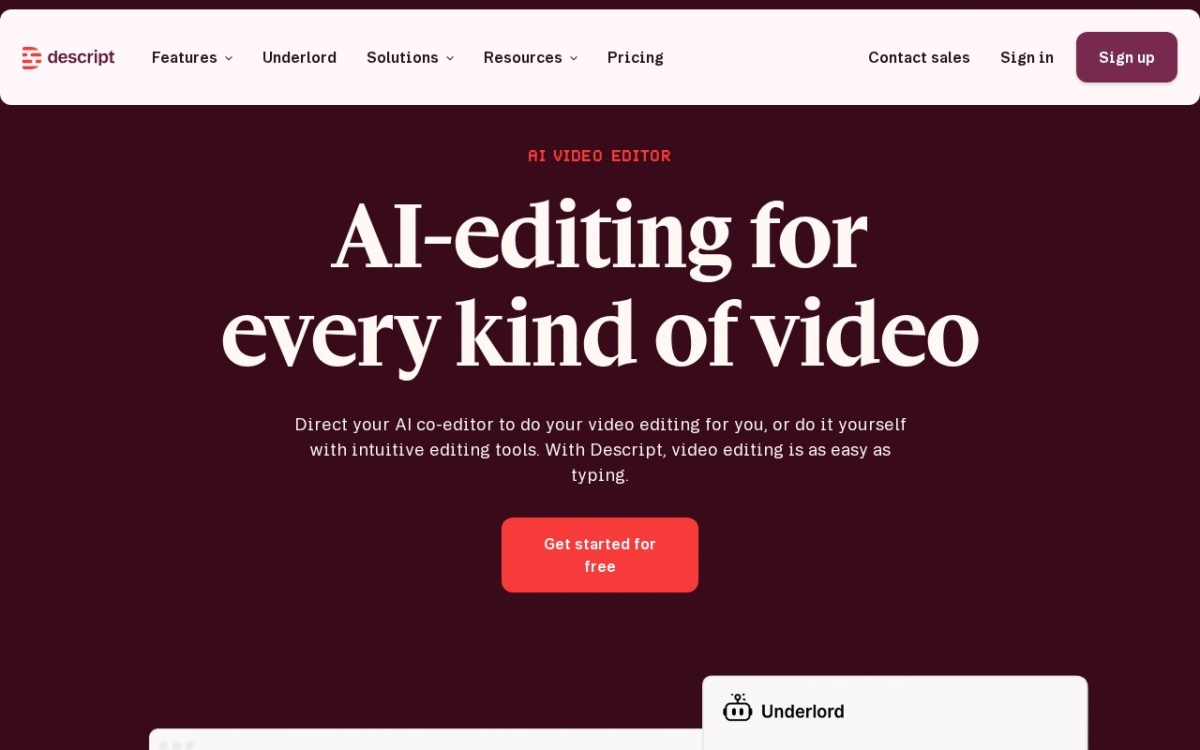
Then I found Descript, and it flipped my whole idea of editing. It transcribes your recording, and then you edit the media by editing the text - like a document. Delete a sentence in the transcript, and that part of the audio and video simply disappears. The first time I did it, I actually laughed out loud.
How I actually use it
- I edit by editing text - cut a rambling paragraph by deleting it, the way you'd fix a Word doc.
- One click removes filler words and awkward gaps across the whole episode - the single biggest time-saver.
- Studio Sound cleans up my mediocre mic recordings so they sound far more professional.
- Built-in transcription, captions, screen recording, and export mean I rarely leave the app.
- Overdub and AI voice let me fix a fumbled line without re-recording the whole take.
The results that mattered
The change wasn't just faster editing - it was that I started finishing episodes again. What used to take a full day now takes a fraction of the time, and the fun of making the show came back because the dread was gone. My audio got cleaner, my publishing got consistent, and consistency is the thing that actually grows a podcast.
Is it a full video editor?
No, and it doesn't pretend to be. For heavy motion graphics or complex, tightly-timed b-roll, a traditional editor still wins. But for people who mostly talk - podcasters, interviewers, talking-head creators - Descript is the highest-leverage tool I've used, and the learning curve is gentle.
My honest recommendation
If editing is the reason your content keeps stalling, try editing by text just once. It changed my relationship with the work.
Being straight about the money: some of the links above are affiliate links, and a signup through one may pay AIStackVerdict a small commission at no extra cost to you. It never moves a score, and you will find below-average scores on this site on purpose. Thanks for reading. - Sam
Community discussion
Enjoyed this story? Share your thoughts below.